Wholesale Foam Roller Manufacturer | Bulk Orders & Branding Solutions
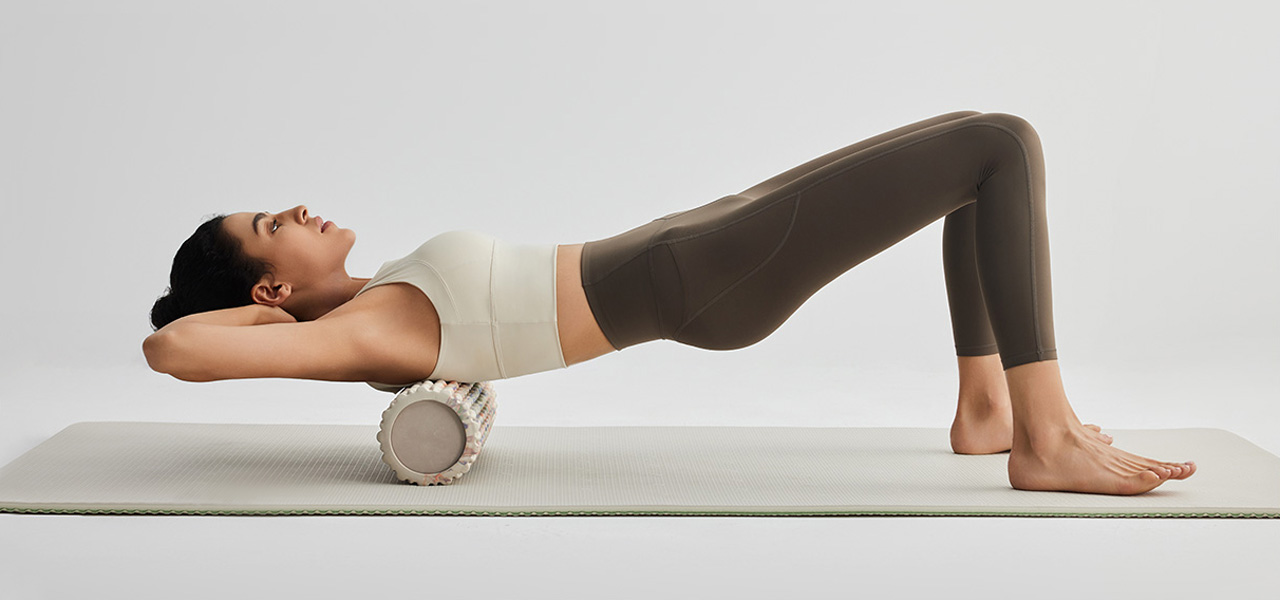
This foam roller is optimized for muscle recovery, balance training, and flexibility training, offering stable compressibility, an exceptionally long lifespan, and highly competitive bulk pricing. From logo printing to customized packaging, we help brands confidently launch and expand their foam roller product lines..
Custom Your
Bulk Foam Rollers
Color
Size
Logo
Pattern
Quality Control Process
Our quality control system is designed to support the production of bulk foam rollers, as consistency, repeatability, and durability are critical for such orders. We don’t focus on individual samples, but rather on controlling the key variables that impact long-term business performance.
Material & Density Verification
All EVA material used in the production of custom foam rollers undergoes inspection before entering the production line. We measure its density and elasticity to ensure the foam meets specified hardness and resilience performance ranges. Furthermore, we check color consistency to minimize batch variations between large orders. Only materials that pass these inspections are approved for production.
Firmness & Structure Monitoring During Production
During the molding process, we monitor the density distribution and wall thickness along the entire length of each foam roller. This helps reduce the risk of uneven compression, soft spots, or internal voids, which can affect the durability and user experience of the foam roller—common issues in low-cost wholesale foam rollers.
Compression & Shape Recovery Testing
Each batch of samples undergoes repeated compression tests. We evaluate its rebound rate, shape recovery, and resistance to permanent deformation to verify the stability of the foam structure under frequent commercial use environments, including gyms, studios, and institutional settings.
Branding Accuracy & Final Inspection
For custom foam roller orders, the markings, printing clarity, and surface adhesion are checked before packaging. Final random checks confirm dimensional and weight consistency, surface finish, and overall hardness to ensure each batch meets order specifications.
What We Do

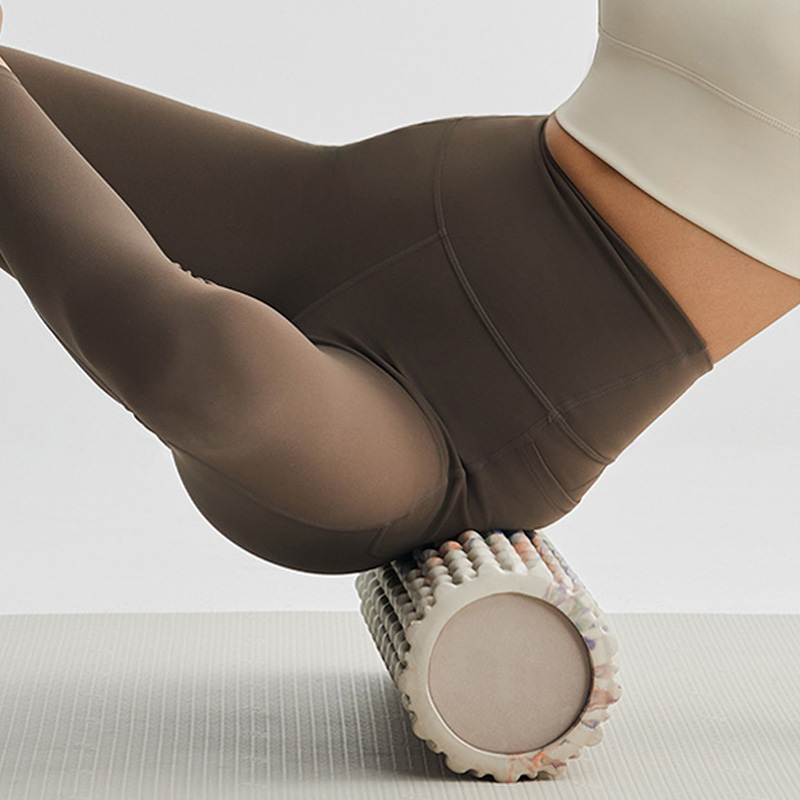
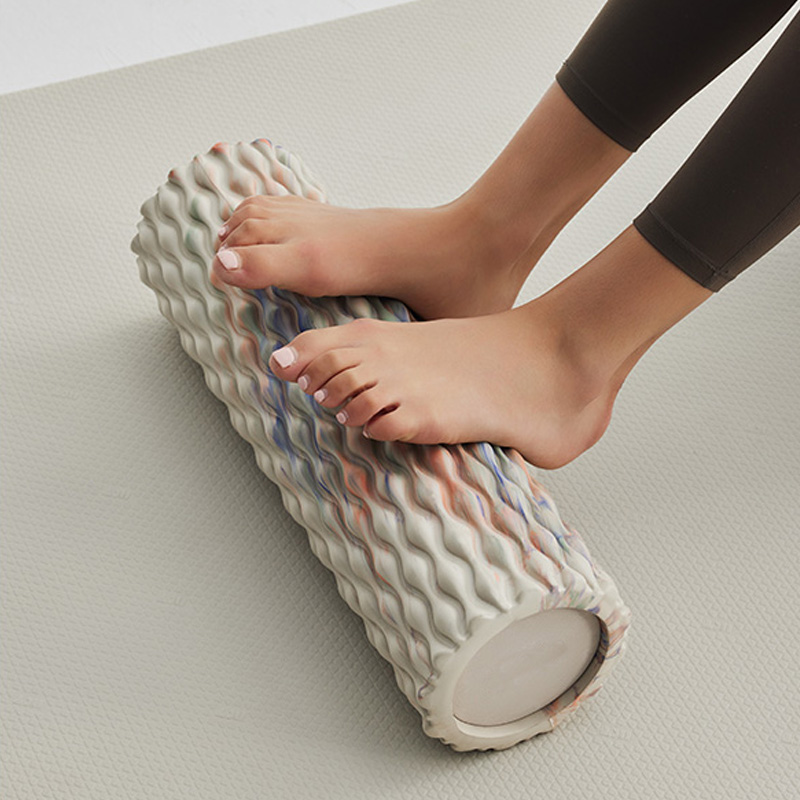
Dual zone massage
3D Floating Point: Deep massage to activate muscles and relieve tension.
Biomimetic Joint Points: Wrap, massage, and stretch muscles for shaping and relief.
3D Massage Foam Roller
Big eye massage point: Targeted massage, ergonomically more effective, increases by 30% to relieve muscle soreness
EPP
This foam roller, made of EPP (expanded polypropylene), is designed for gyms, training studios, rehabilitation centers, and wellness centers—places requiring consistent performance and repeated daily use.
EPP features a strong yet flexible foam structure that provides stable, continuous pressure for muscle recovery and flexibility training, maintaining its shape even after sustained compression. Therefore, it is ideal for environments where the same equipment is used multiple times a day.
Key Performance Features of EPP Bulk Foam Rollers
- Superior Shape Retention – Maintains its diameter and rigidity even after repeated stress, helping to reduce product deformation and premature damage in high-traffic areas.
- Lightweight yet Structurally Stable – Easy for instructors and therapists to carry, stack, and distribute during group classes without compromising support during use.
- Moisture-Resistant Surface – Closed-cell structure does not absorb sweat, allowing for quick wiping and cleaning between classes and reducing odor buildup.
- Consistent Rigidity for Therapy and Training – Suitable for myofascial release, balance exercises, Pilates, yoga, and rehabilitation programs requiring reliable support.
- Non-Toxic and Environmentally Friendly Materials – Free of harmful plasticizers, meeting general safety requirements for professional fitness and wellness centers.
Cork
This foam roller, made from natural cork, is designed for fitness studios, rehabilitation centers, and wellness brands that prioritize stable support, durability, and sustainable materials. Cork’s natural density provides stable pressure, making it suitable for flexibility training and myofascial release, and especially ideal for users who prefer a firmer support in rehabilitation tools.
Cork foam rollers are commonly used in activities requiring control, balance, and stability, such as yoga, Pilates, and functional training. Their firm surface facilitates precise positioning and continuous feedback during practice and therapy.
Key Performance Features of Cork Bulk Foam Rollers
- Natural and Stable Support – The robust cork structure provides stable pressure, resisting compression and deformation, supporting deep stretching and posture correction exercises.
- Superior Shape Stability – It will not deform under body weight, even after prolonged use, maintaining a consistent diameter and contact surface.
- Moisture-Resistant and Odorless – Cork does not easily absorb sweat and dries quickly, helping to maintain hygiene in shared equipment environments.
- Textured, Non-Slip Surface – The natural cork texture enhances friction with skin and floors, improving safety during balance and rehabilitation movements.
- Renewable and Eco-Friendly Material – Made from sustainably harvested cork, meeting the environmental standards required by institutions and brands.
Customer Case
🏋️ Gym Chains & Group Training Studios
In group workout environments, foam rollers are frequently used, stacked, and repeatedly come into contact with the floor. Gyms typically require dozens to hundreds of foam rollers per location, making durability and ease of cleaning key decision-making factors.
Gyms using closed-cell foam rollers can quickly wipe them clean between classes, eliminating the need for lengthy drying times. All foam rollers have a consistent stiffness, ensuring instructors don’t need to adjust exercises due to uneven equipment stiffness when designing recovery sessions.
Many chain gyms also offer brand-specific recovery equipment for members to purchase. Using the same custom foam rollers in classes and retail simplifies the supply chain and enhances brand awareness beyond the gym.
🏥 Rehabilitation & Physical Therapy Clinics
Rehabilitation clinics require foam rollers capable of withstanding controlled loads and maintaining their shape during repeated daily training. Clinics typically equip each treatment room with multiple foam rollers to support therapist-assisted therapy and independent patient exercises.
Bulk purchasing allows clinics to standardize equipment across branches, which is particularly important for chain clinics following centralized treatment protocols. Therapists receive consistent tool feedback when demonstrating exercises, and patients experience the same resistance levels at each visit, enabling more accurate tracking of rehabilitation progress.
Clinics often use custom labels or color coding to differentiate between clinic-owned equipment and patient retail products, which helps maintain hygiene standards and inventory management.
🧘 Yoga & Pilates Studio Networks
Fitness studios offering multiple classes daily rely on foam rollers for flexibility training, posture correction, and assisted stretching. The equipment must provide stable support, especially during movements requiring balance, as surface stability affects safety.
By purchasing foam rollers in bulk with standardized specifications, fitness studio networks can ensure a consistent class experience across different locations. Custom colors help match studio interior décor, enhancing visual appeal, while branding reduces equipment confusion between adjacent studios or shared training spaces.
Bulk supply also supports seasonal class updates and new location openings without altering the feel or appearance of the equipment.
🛒 Fitness Brands & Distribution Programs
Brands providing rehabilitation tools for clubs, schools, and corporate wellness programs typically require stable, long-term product specifications to support contract-based supply agreements. Mass-produced foam rollers, with controlled density and surface design, minimize batch-to-batch variability.
Private label options enable distributors to offer branded rehabilitation kits for events, new employee onboarding, and institutional clients without changing suppliers or product models. Consistency simplifies after-sales support and replacement processes, especially when customers require the same equipment for standardized training.
Wellness Blog
Hello world!
Welcome to WordPress. This is your first post. Edit or delete it, then start writing!
Subscribe
